

Compare the options
| Therapy | What it's used for | How you find out if it helps |
|---|---|---|
| Spinal cord stimulation | Persistent back or leg nerve pain, including after spine surgery; painful diabetic neuropathy | A temporary trial, often a few weeks, before any permanent implant |
| Peripheral nerve stimulation | Long-lasting pain in one area, such as the low back, shoulder or knee | Some systems are used for a set number of weeks and then removed; others are implanted after a trial |
| ReActiv8 | Chronic low back pain linked to multifidus muscle dysfunction in people who aren't spine surgery candidates | Decided at an evaluation that includes imaging; the labeling doesn't describe a trial period |
| Sacral neuromodulation | Overactive bladder, some urinary retention, and fecal incontinence | A test phase, usually days to two weeks, before any permanent implant |
Who neuromodulation may help
- Persistent pain after spine surgery
- People who aren't candidates for surgery
- Painful diabetic and other neuropathies
- Bladder and bowel control problems
What to expect
- Evaluation. A physician reviews your history, imaging and past treatment, and explains which device, if any, fits.
- Trial or test phase, when the device has one. See the table above.
- Implant. In a surgery center or hospital, usually as an outpatient.
- Follow-up. Device programming and check-ins after the procedure.
Questions to bring to any device evaluation
- What is most likely causing my pain or symptoms, and what else could it be?
- Which simpler options are still worth trying first?
- Does this device have a trial or test phase, and how will we judge it?
- Will it limit MRI scans or other treatments in future?
- What will my insurer require before approving it?
- What happens if it doesn’t help enough?
The answers differ by device: spinal cord stimulation and sacral neuromodulation start with a trial or test phase, while ReActiv8 has no trial and is decided at the evaluation. Each device’s page explains its own steps.
Where
Evaluations are with our interventional pain physicians in Dearborn and Sterling Heights.
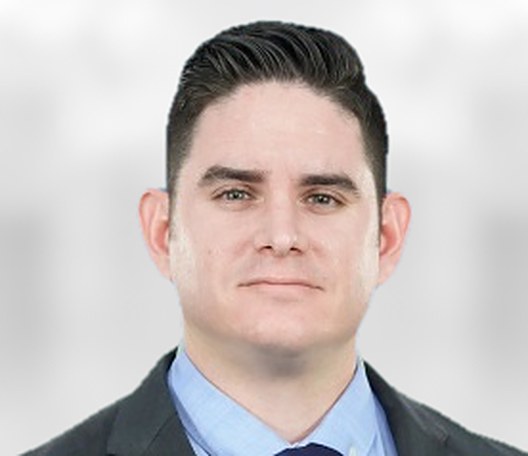 Eduardo José Otero Loperena, MDInterventional pain medicine
 Mohamed Osman, MDPain management
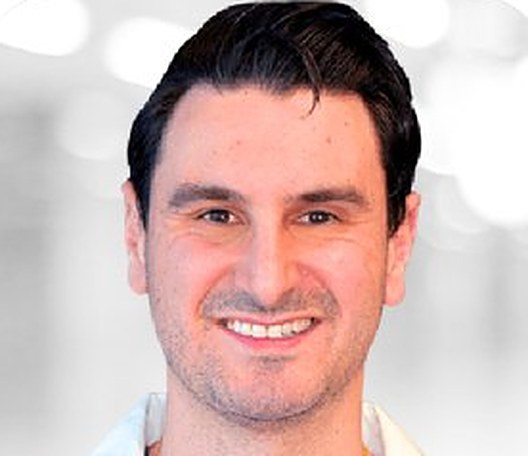 Aaron Greenberg, DOPhysical medicine and rehabilitation
Who performs procedures, and where:
- Dr. Eduardo José Otero: Universal Care Surgery Center
- Dr. Mohamed Osman and Dr. Aaron Greenberg: Universal Care Surgery Center and Advanced Surgery Center
- Dr. Roy Torcuator: Advanced Surgery Center and Garden City Hospital
Office injections are done in our offices. Your physician confirms who performs your procedure, and where, at your consultation.
Request received
Your reference number is . Keep it for your records.