
What is sacral neuromodulation?
Sacral neuromodulation stimulates the sacral nerves, which control the bladder and bowel. It's used for overactive bladder, some types of urinary retention and fecal incontinence when medicines and other treatments haven't helped. A trial comes first.
What it treats, and what the evaluation decides
Sacral neuromodulation stimulates the sacral nerves, which help control the bladder and bowel. It’s used for overactive bladder, including urge leakage and urgency-frequency, for urinary retention, and for fecal incontinence, in people who haven’t done well with, or couldn’t tolerate, more conservative treatments.
The evaluation confirms the diagnosis, rules out other causes, and checks whether you’ve tried the usual treatments first. It also asks a practical question: how much further treatment you want, given that this involves a procedure and an implanted device.
Who may be considered, and what can rule it out
- For overactive bladder: symptoms that haven’t improved enough with behavior changes and medicines, or where medicines aren’t suitable
- For urinary retention or bowel control: more conservative treatments haven’t been effective or weren’t tolerated
- Willing to have a surgical procedure, and able to use and look after an implanted device over the long term
- Able to keep a bladder or bowel diary during the test phase
Ask about MRI before you decide.
Alternatives to discuss
Depending on your symptoms, other options include bladder or bowel training, pelvic floor physical therapy, medicines, and other advanced treatments such as tibial nerve stimulation or bladder injections. Your physician can explain which apply to you, and who provides them.
What to bring to your evaluation
- A bladder or bowel diary for a few days, if you can: how often you go, leaks and urgency
- A list of treatments and medicines you’ve tried, and how they worked
- Reports from urology, gynecology or gastroenterology visits and tests
- Your medicine list and insurance card
What happens, step by step
- EvaluationWith Dr. Eduardo José Otero at our Sterling Heights (15 Mile) office.
- Test phaseA thin lead is placed near the sacral nerve through the lower back, usually with local anesthesia; the procedure takes about an hour. For about one to two weeks you keep a diary of how often you go and how much control you have.
- DecisionIf your symptoms improve enough, a permanent device may be recommended. If they don’t, no device is implanted.
- ImplantThe small device is placed in the upper buttock, usually with local anesthesia, in a procedure of about 40 to 60 minutes.
- Follow-upVisits to check healing and adjust the settings.
Preparation and practical limits
- Your surgeon may ask you to avoid swimming, running or other strenuous activities for a few weeks after the procedure.
- The surgical site can take two to eight weeks to heal.
- Bring your diary to every visit during the test phase.
- Ask how to handle blood thinners before the procedure; don’t stop one without the prescribing doctor’s advice.
Risks, and why results vary
The most significant problem is the device stopping working. Pain at the device or lead site is common, infection can happen, and in studies more than 3 in 10 people needed another surgery. The benefit fades if the device is turned off, and symptoms can come back over time.
Results vary, which is why the test phase comes first and why your diary matters.
If the test or the device doesn’t help enough
If the test phase doesn’t improve your symptoms enough, no permanent device is placed, and your physician goes back over the other options with you. If your symptoms come back after an implant, contact us: it can mean the device needs checking or adjusting.
Cost and coverage
When it’s medically necessary, this procedure is usually billed to health insurance, Michigan auto no-fault or workers’ comp, and most plans need prior authorization. Insurers often have their own requirements before approving an implant. Our team checks your benefits and the authorization before anything is scheduled and tells you about any cost you’re likely to owe. The surgery center or hospital may bill separately from the physician; ask us which charges to expect. See who usually pays · Ask us to check your coverage
Related reading
Where to get care at Specialty Medical Center
Evaluations for bladder and bowel control are with Dr. Eduardo José Otero at our Sterling Heights (15 Mile) office, with online booking. Part of Neuromodulation.
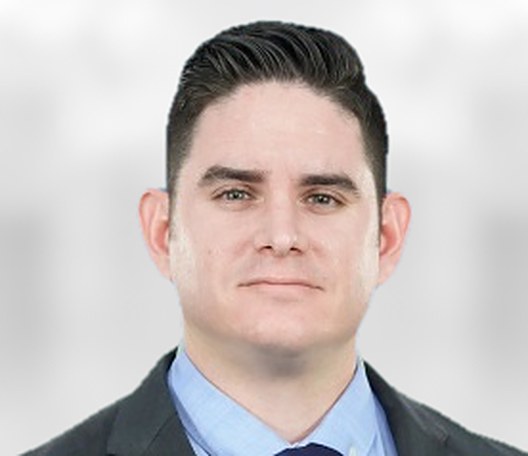 Eduardo José Otero Loperena, MDInterventional pain medicine
 Mohamed Osman, MDPain management
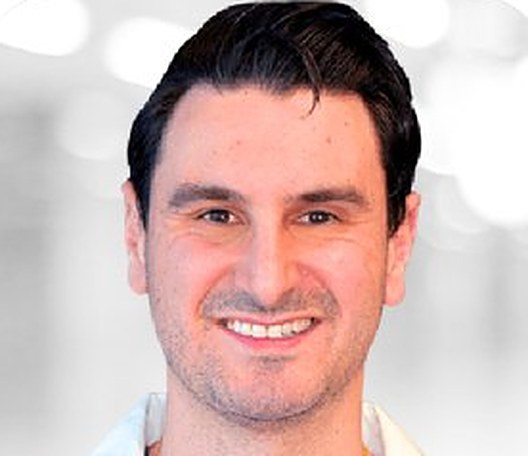 Aaron Greenberg, DOPhysical medicine and rehabilitation
Who performs procedures, and where:
- Dr. Eduardo José Otero: Universal Care Surgery Center
- Dr. Mohamed Osman and Dr. Aaron Greenberg: Universal Care Surgery Center and Advanced Surgery Center
- Dr. Roy Torcuator: Advanced Surgery Center and Garden City Hospital
Office injections are done in our offices. Your physician confirms who performs your procedure, and where, at your consultation.
Sources
- FDA approval letter P180046: Axonics Sacral Neuromodulation System (November 13, 2019)
- Cleveland Clinic: Sacral nerve stimulation
- AUA/SUFU guideline: Diagnosis and treatment of overactive bladder (non-neurogenic) in adults
Request received
Your reference number is . Keep it for your records.
This page gives general information. Your physician will explain whether a treatment fits you, its risks and the alternatives.